Subterranean termites need soil contact and moisture to thrive, and Nesconset's conditions — a four-season climate with real winter cold and snow, and hot, muggy summers typical of the Northeast corridor — create exactly that. Dense multi-family buildings and rowhomes throughout the city, alongside single-family postwar homes across Long Island, many with basements. Termite colonies can go undetected for years, quietly compromising structural wood the entire time.
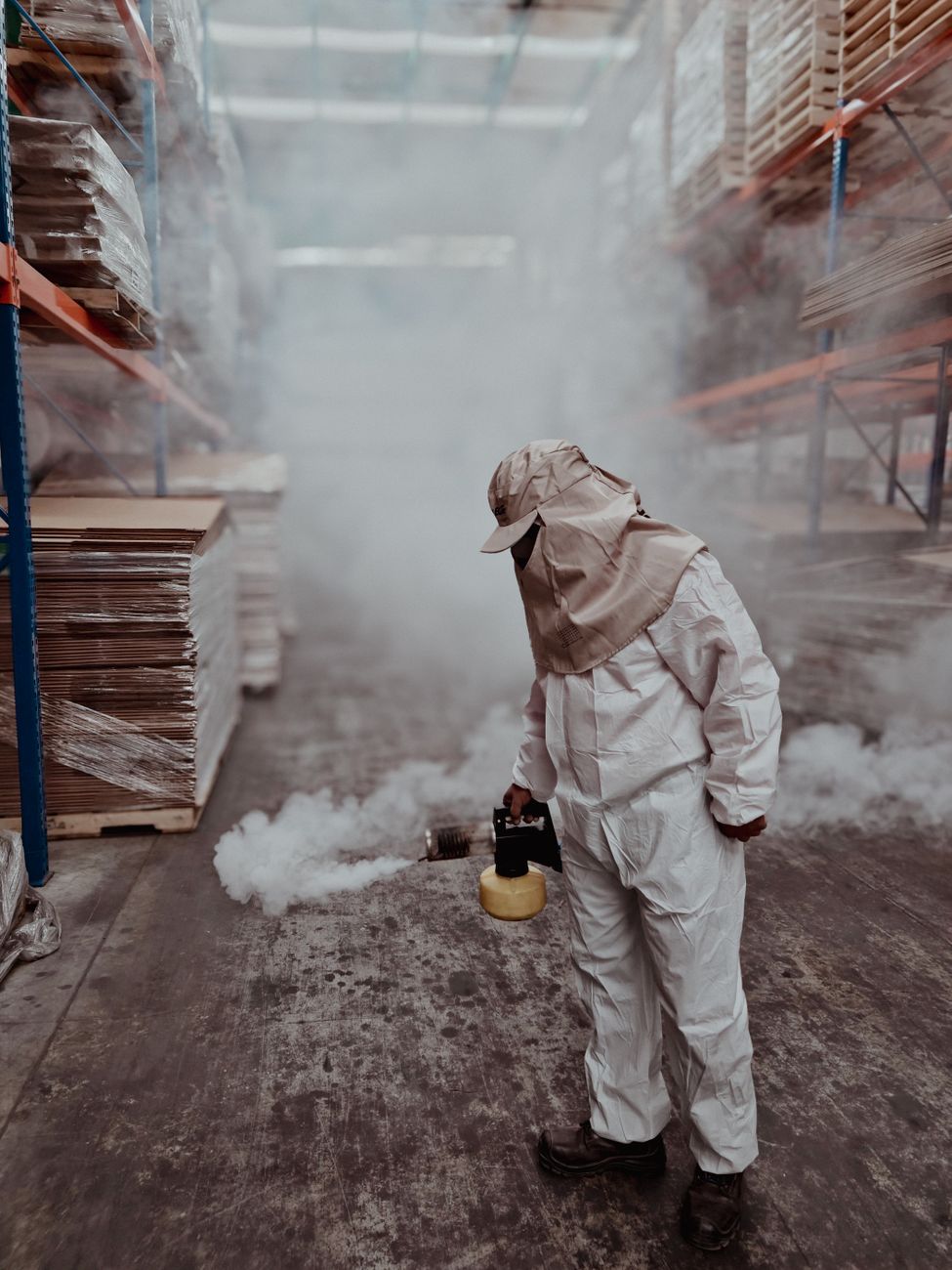
We start with a full inspection of the foundation, crawl space, and any wood-to-soil contact points, looking for mud tubes, damaged wood, or swarmer activity. Treatment options include soil treatment around the foundation perimeter or bait-station monitoring systems that intercept foraging termites before they reach the structure. Every job includes a wood-destroying-insect inspection report.