PWFP+GXR Jersey City, NJ · Mon-Fri 7am-8pm · Sat-Sun 8am-6pm
24/7 Emergency: (551) 431-1112
Rodent Control · Jersey City

Rodent control in Jersey City — Norway rats, house mice, full exclusion.

Rats in a Greenville brownstone basement or mice in a Heights walk-up rental aren't a single-trap solution. They're a foundation breach, a sanitation issue, and a colony with a measurable migration radius. Pest Control Xpert runs NJDEP-licensed rodent control with full exclusion — tamper-resistant bait stations, snap-trap programs, attic-to-basement entry-point sealing, and the building-by-building intel that makes Jersey City rodent work actually stick.

NJDEP licensed
Full exclusion
Same-day service
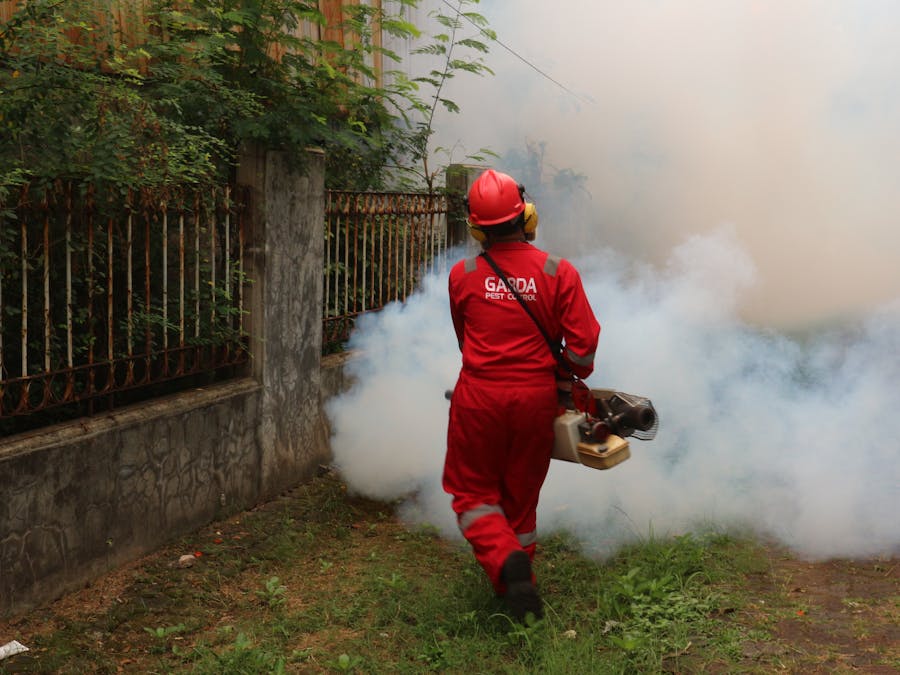
Pest Control Xpert technician installing tamper-resistant rodent bait station in a Jersey City brownstone basement
NJDEPLicensed applicator
Same-daybefore 3 PM weekdays
30-dayreturn-visit warranty
Our Approach

Rodent control that addresses the entry point, not just the rat.

Norway rats (Rattus norvegicus) dominate Jersey City rodent calls year-round — brownstone basements, restaurant alleys, transit-adjacent buildings, waterfront warehouses, and the dense rowhouse blocks across Greenville, Bergen-Lafayette, and Hamilton Park all generate consistent volume. House mice (Mus musculus) show up in studio rentals, high-rise utility chases, garage units, and partitioned offices. Roof rats are rarer in JC than in southern climates but appear in attics of properties with overhanging trees. Pest Control Xpert handles all three species with protocols built on a single principle: trap or kill the visible rodents, but seal the entry point or you're servicing the problem forever. NJDEP-licensed applicators, tamper-resistant bait stations matching local regulations, and structural exclusion as a core deliverable — not an upsell.

Scope of Coverage

What rodent control covers.

Our rodent control program runs across single-family homes, brownstones, multi-family rentals, restaurants, retail, office, warehouse, and healthcare. Each environment gets a treatment matched to the structure and risk profile. Residential brownstones get exterior tamper-resistant bait stations along the foundation, interior snap-trap programs for active rooms, attic and basement entry-point sealing with hardware cloth and steel wool, and dryer-vent and weep-hole exclusion. Restaurant accounts get HACCP-compliant exterior bait station mapping (typically 4-8 stations per perimeter depending on building size), interior monitoring under tamper-resistant covers, glue-board placement in HACCP zones, and full sealing of pipe penetrations behind kitchen equipment. Commercial warehouse work adds dock-door brush seals, pallet rotation protocols, and quarterly comprehensive inspections.

Initial inspection traces the access map: burrows along foundation walls, gaps where utility lines penetrate, dryer vents without proper damper, weep holes without screens, basement door gaps, attic vents without hardware cloth, garage seams, restaurant rear doors, sidewalk vault covers in disrepair. Droppings get sized and counted — 12-19mm cylindrical pellets indicate Norway rat presence and roughly the colony age. Gnaw marks get measured. Rub marks (greasy dark trails along baseboards and beams) confirm tracking surfaces. Each finding becomes part of a written treatment plan that specifies trap type, bait class, exclusion materials, and pricing — itemized before any work starts. For service-specific pages on cockroach control, bed bug treatment, and wildlife removal, see our full service catalog.

Methodology

Snap traps, bait stations, and exclusion.

Modern rodent control favors snap traps and tamper-resistant exterior bait stations over loose interior rodenticide. Snap traps (T-Rex for rats, classic-style for mice) deliver instant kill, no rodenticide handling risk for occupants, and immediate visual confirmation. Tamper-resistant bait stations — rigid plastic enclosures with weight-anchored bottoms and tamper-resistant lids — restrict bait access to target species and prevent non-target exposure to pets, wildlife, and children. Single-feeding anticoagulant baits (brodifacoum, bromadiolone, difethialone) deliver lethal dose in one feeding event, so the resident colony crashes within 5-10 days of bait introduction. We do not use loose-bait broadcast inside structures and we don't recommend interior bait stations unless absolutely necessary (rodent carcasses inside walls are an avoidable problem when exterior bait works).

Exclusion is the unsung heart of effective rodent control. Norway rats can squeeze through openings half-inch wide; house mice through quarter-inch. Every Pest Control Xpert rodent job includes a written exclusion estimate covering the structural defects that gave the colony access: hardware cloth on weep holes and attic vents, steel wool packing around pipe penetrations, brush seal or door sweep installation on door gaps, dryer-vent damper replacement, and foundation crack sealing with hydraulic cement where appropriate. Without exclusion, the rats simply re-enter from a different burrow within 90 days. With exclusion, the colony stays out. Every active ingredient gets documented on the service ticket with EPA registration number, station ID, application location, and bait class. Our products are chosen for low non-target risk; pet-safe placement is the default.

Service Tiers

Rodent control programs.

Pricing for residential rodent control: $200-$450 initial visit. Exclusion priced separately based on structural scope.

One-Time

$200-$450 initial

Inspection + snap traps + exterior bait stations + entry-point assessment. 30-day return-visit warranty. Exclusion priced after walk-through.

Monthly Bait Station

$50-$150 per visit

Ongoing exterior bait station service, snap trap monitoring, fresh-droppings inspection. Recommended for brownstones with chronic activity.

Exclusion

$300-$2000+

Structural sealing of entry points: hardware cloth, steel wool packing, brush seals, foundation crack repair. Quoted after inspection.

How We Work

Our 5-step rodent process.

1

Inspection

Burrow mapping, dropping count, entry-point assessment, structural defect inventory.

2

Written Plan

Trap placement, bait station mapping, exclusion estimate — all itemized.

3

Knock-Down

Snap traps interior + tamper-resistant bait stations exterior. Population crash 5-10 days.

4

Exclusion

Hardware cloth, steel wool, brush seals, foundation crack sealing. Re-entry prevented.

5

Verification

14-day follow-up confirms no fresh activity. 30-day return-visit warranty.

Questions Answered

Rodent control Jersey City — FAQ.

01

How fast can rodent control work?

Population crash typically within 5-10 days of bait station activation and snap trap placement. Full elimination including verification: 14-21 days. Same-day initial dispatch with a call before 3 PM weekdays.

02

How much does rodent control cost in Jersey City?

Residential one-time visits run $200-$450 depending on infestation and property size. Monthly bait-station service: $50-$150 per visit. Structural exclusion priced separately ($300-$2000+) after walk-through.

03

Is rodenticide safe for pets and kids?

Tamper-resistant exterior bait stations restrict access to target species. Stations are weight-anchored and lock-tabbed; pets and kids cannot access bait inside. Snap traps interior are placed in voids and behind appliances, not in open living space.

04

Do you do exclusion or just trapping?

Both. Every job includes an exclusion estimate. Without sealing entry points, rodents re-enter from a different burrow within 90 days. We're not interested in service-forever accounts; we want to actually solve the problem.

05

Do you treat commercial restaurants for rodents?

Yes. Commercial restaurant accounts get HACCP-compliant exterior bait station mapping, interior tamper-resistant monitoring, glue-board placement in HACCP zones, monthly visits, and full documentation for health inspections.

06

What about dead rodents in walls?

Modern anticoagulant baits typically drive the rodent to seek water before dying — they often die outside the wall rather than inside. When wall mortality does occur, we charge nothing for follow-up odor remediation in the warranty window.

07

Which Jersey City neighborhoods have the worst rodent pressure?

Greenville, Bergen-Lafayette, and the dense rowhouse blocks in Hamilton Park, Paulus Hook, and Van Vorst Park carry the heaviest Norway rat baseline. The Heights and Journal Square run high on house mice in multi-family rentals.

Rodents in Jersey City? Same-day dispatch. Real exclusion.